Your heart works continuously to pump oxygen-rich blood throughout your body. To perform this vital function, the heart itself requires a constant supply of blood through the coronary arteries.
When these arteries become narrowed or blocked, blood flow to the heart muscle may decrease. This condition is often associated with coronary artery disease and can increase the risk of serious cardiovascular problems if left untreated.
Recognizing the early warning signs of poor heart circulation may help you seek timely medical attention and improve long-term heart health.
Why Blood Flow to the Heart Matters
The coronary arteries supply oxygen and nutrients to the heart muscle. When blood flow becomes restricted, the heart may struggle to function efficiently.
Reduced blood circulation can lead to symptoms that often appear gradually and may be mistaken for normal aging, stress, or fatigue.
1. Chest Pain or Chest Discomfort
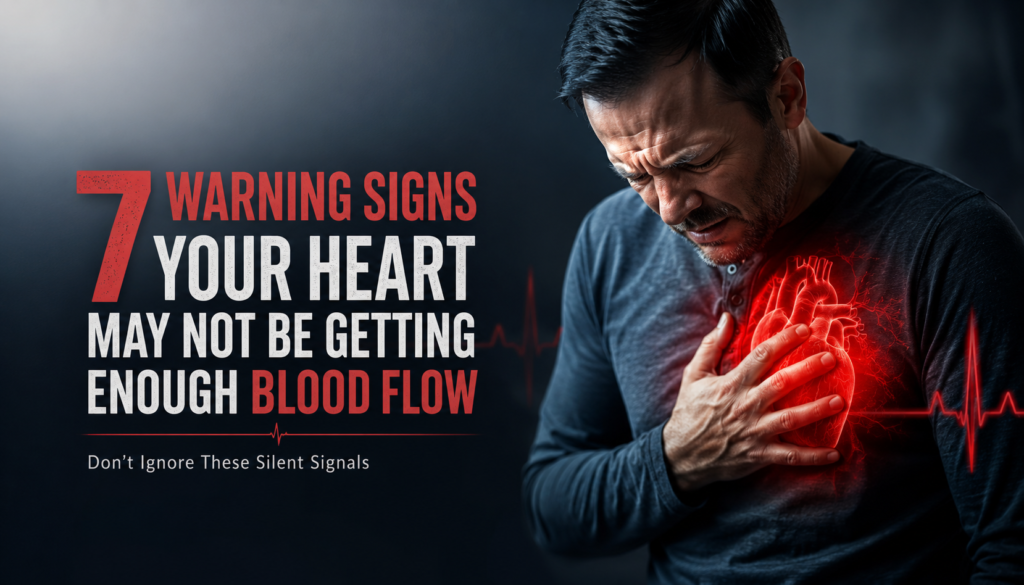
Chest pain, also known as angina, is one of the most common warning signs of reduced blood flow to the heart.
Symptoms may include:
- Pressure in the chest
- Tightness or squeezing sensation
- Burning or heaviness
- Discomfort during physical activity
Chest pain should never be ignored, especially if it occurs repeatedly.
2. Shortness of Breath
If your heart is not receiving enough oxygen-rich blood, it may struggle to pump efficiently.
This can lead to:
- Breathlessness while walking
- Difficulty climbing stairs
- Shortness of breath during daily activities
Many people notice this symptom before experiencing chest pain.
3. Unusual Fatigue
Persistent tiredness without a clear reason may indicate poor circulation.
You may find yourself:
- Feeling exhausted after minimal activity
- Experiencing reduced stamina
- Needing more rest than usual
Fatigue can sometimes be one of the earliest signs of coronary artery disease.
4. Pain in the Neck, Jaw, Shoulder, or Arm
Heart-related discomfort is not always limited to the chest.
Some individuals may experience pain that radiates to:
- Left arm
- Both shoulders
- Jaw
- Neck
- Upper back
These symptoms should be evaluated by a healthcare professional.
5. Dizziness or Lightheadedness
When blood flow is compromised, less oxygen may reach vital organs, including the brain.
Possible symptoms include:
- Feeling faint
- Lightheadedness
- Sudden weakness
- Balance problems
Frequent dizziness should not be ignored.
6. Reduced Exercise Capacity
Have you noticed that routine activities feel more difficult than before?
Poor blood circulation to the heart can cause:
- Reduced endurance
- Difficulty exercising
- Slower recovery after physical activity
Many patients with coronary artery disease report a gradual decline in physical performance.
7. Swelling in the Legs or Feet
When the heart cannot pump efficiently, fluid may accumulate in the lower extremities.
Symptoms may include:
- Swollen ankles
- Swollen feet
- Leg discomfort
- Heaviness in the legs
This may indicate underlying cardiovascular issues requiring medical evaluation.
What Causes Poor Blood Flow to the Heart?
Several factors can contribute to reduced heart circulation:
High Cholesterol
Plaque buildup can narrow coronary arteries.
High Blood Pressure
Hypertension damages blood vessels over time.
Diabetes
Elevated blood sugar levels can affect circulation.
Smoking
Smoking reduces oxygen delivery and damages blood vessels.
Obesity and Physical Inactivity
These factors increase cardiovascular risk.
Stress
Chronic stress may negatively impact heart health.
Can Heart Blood Flow Be Improved Without Surgery?
Many people assume that surgery is the only solution for heart blockages.
However, advances in cardiovascular care have introduced several non-invasive treatment options that may help improve blood circulation in selected patients.
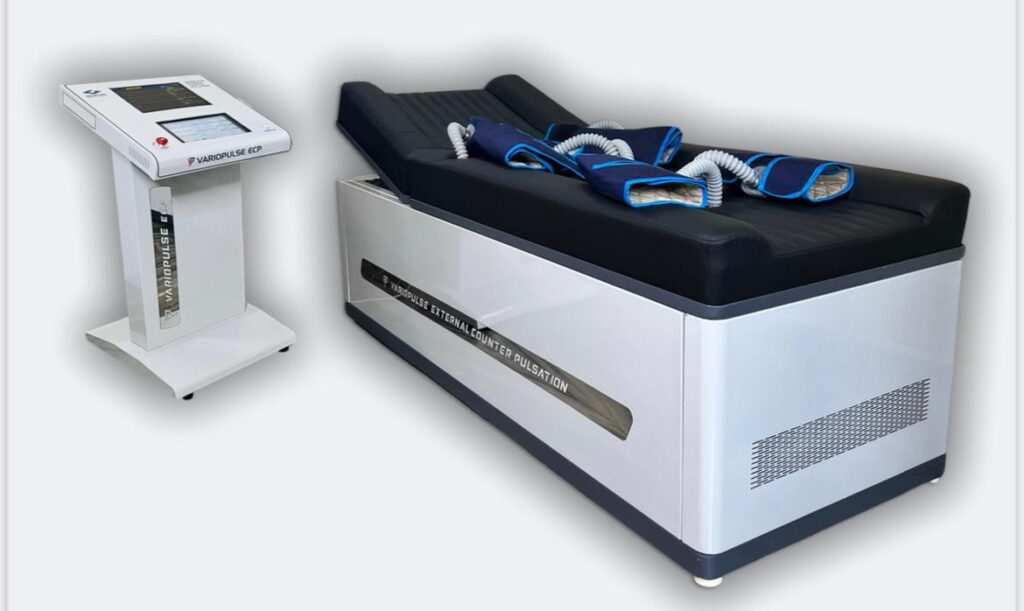
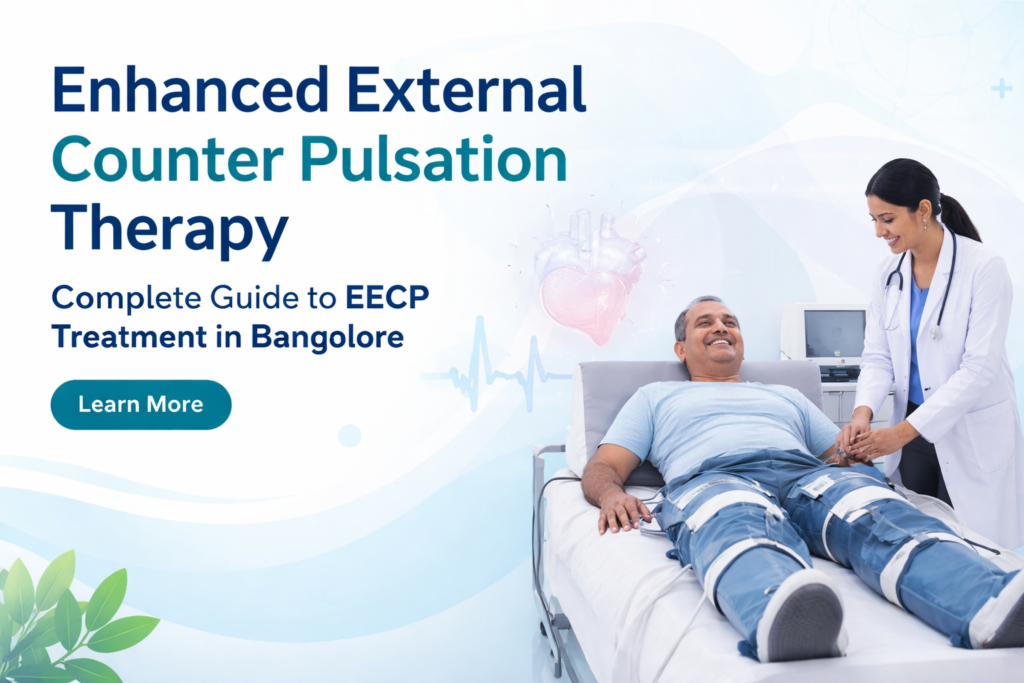
Enhanced External Counter Pulsation (EECP) Treatment is a non-invasive therapy designed to improve blood flow to the heart.
The treatment involves inflatable cuffs placed around the legs that inflate and deflate in synchronization with the heartbeat.
Potential benefits may include:
- Improved circulation
- Enhanced oxygen delivery
- Better exercise tolerance
- Reduced angina symptoms
- Improved quality of life
EECP Treatment does not involve surgery, stents, or anesthesia.
Frequently Asked Questions About Poor Heart Blood Flow
Common warning signs include chest pain, shortness of breath, unusual fatigue, dizziness, reduced exercise capacity, pain in the jaw or arm, and swelling in the legs or feet.
Yes. When the heart does not receive adequate oxygen-rich blood, it may not function efficiently, leading to persistent tiredness and reduced stamina.
Not always. However, recurring chest pain or pressure should be evaluated by a healthcare professional as it may indicate coronary artery disease or reduced blood flow to the heart.
Poor circulation is commonly caused by coronary artery disease, high cholesterol, diabetes, high blood pressure, smoking, obesity, and lack of physical activity.
Healthy eating, regular exercise, stress management, quitting smoking, and controlling blood pressure and diabetes can help support healthy heart circulation.
EECP (Enhanced External Counter Pulsation) is a non-invasive heart treatment designed to improve blood flow to the heart by encouraging the development of natural collateral circulation.
EECP uses inflatable cuffs placed on the legs that inflate and deflate in sync with the heartbeat, helping improve circulation and oxygen delivery to the heart muscle.
ESMR (Extracorporeal Shockwave Myocardial Revascularization) is a non-invasive therapy that uses low-intensity shockwaves to stimulate natural blood vessel growth and improve blood supply to the heart.
Some patients may benefit from non-invasive therapies such as EECP or ESMR. However, treatment suitability depends on the individual’s medical condition and should be assessed by a cardiologist.
Nuva Healthcare, Indiranagar, Bangalore offers advanced non-invasive heart care solutions including EECP Treatment and ESMR Treatment for suitable patients.