
For people living with certain heart-related symptoms, especially ongoing chest discomfort or reduced exercise tolerance despite medical management, EECP treatment may sometimes be considered as part of a broader cardiovascular care plan.
However, EECP is not appropriate for every patient. The decision depends on medical history, current symptoms, heart function, blood pressure, rhythm status, vascular health and other clinical factors.
At Nuva Healthcare, Indiranagar, Bangalore, patients who want to understand who is eligible for EECP treatment can undergo an evaluation before any treatment plan is recommended.
The purpose of the consultation is to understand whether EECP may be suitable, whether additional medical review is required, and whether another form of treatment would be more appropriate.
What Is EECP Treatment?
EECP stands for Enhanced External Counterpulsation.
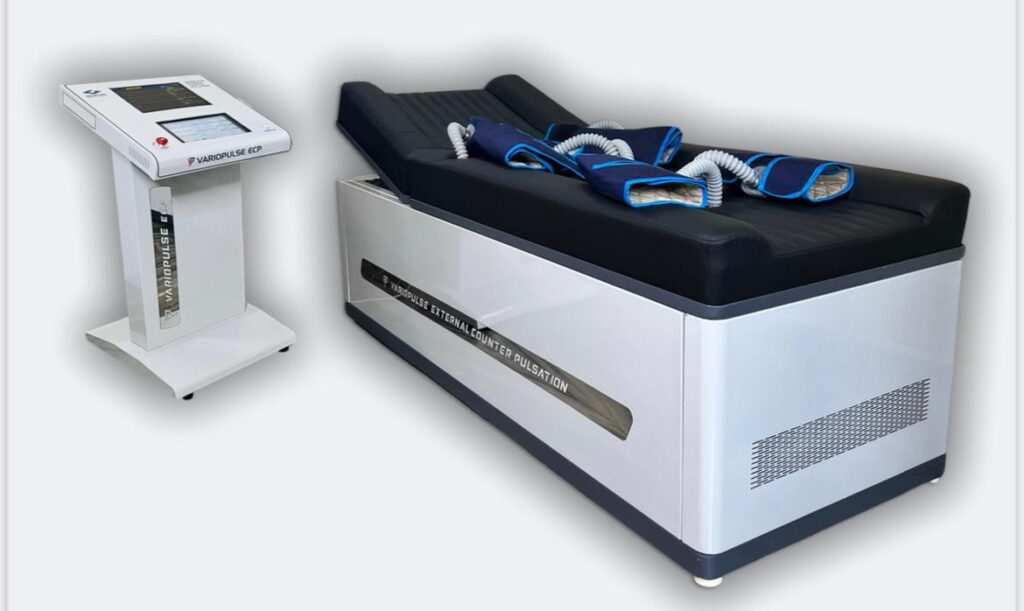
It is a non-invasive treatment in which inflatable cuffs are placed around the legs and lower body. These cuffs inflate and deflate in coordination with the patient’s heartbeat.
The treatment is designed to support circulation during specific phases of the cardiac cycle.
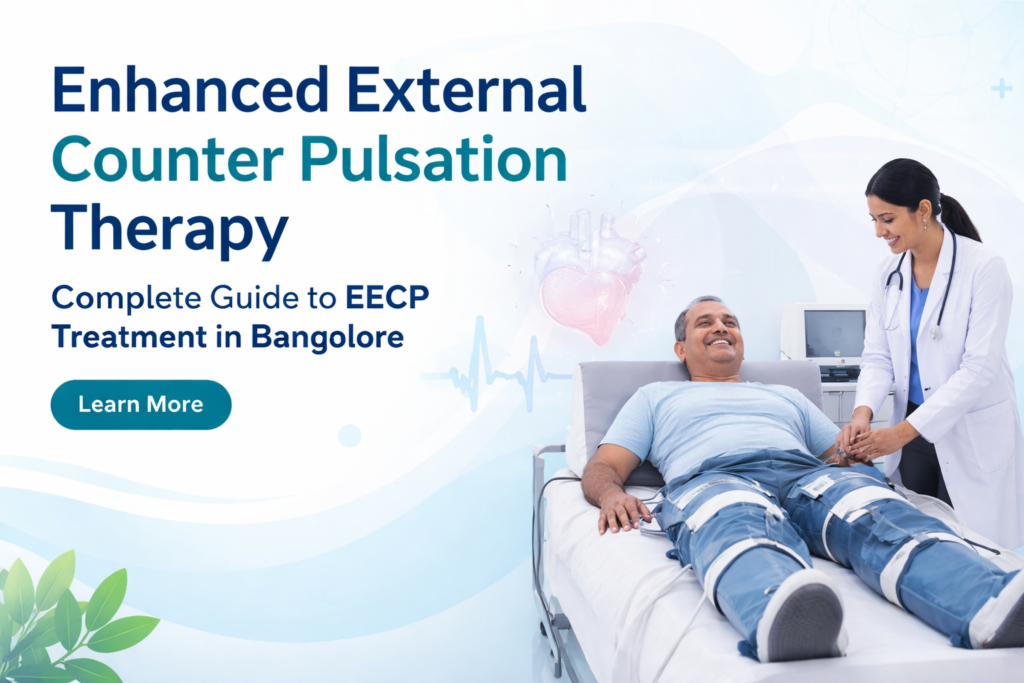
A typical session is performed while the patient lies comfortably on a treatment bed and is monitored throughout the procedure.
EECP does not involve open surgery or an incision. However, because it affects circulation and cardiovascular workload, medical evaluation is important before treatment begins.
Who Is Eligible for EECP Treatment?
There is no single rule that determines EECP eligibility for every patient.
Eligibility is usually decided after reviewing the patient’s cardiovascular condition, symptoms, medical history and current treatment.
Patients who may be considered for evaluation can include people with certain forms of persistent or recurrent heart-related symptoms where conventional treatment has not provided sufficient symptom control.
Examples may include patients with:
- Chronic or recurrent angina symptoms
- Reduced exercise tolerance related to cardiovascular disease
- Ongoing symptoms despite prescribed medical therapy
- Previous cardiac procedures with continuing symptoms
- Situations where further invasive procedures may not currently be appropriate
- Cardiovascular conditions where a treating doctor believes EECP evaluation may be reasonable
This does not mean that everyone with these conditions will automatically qualify.
A medical assessment is necessary.
Who Should Enquire About EECP?
You may consider asking a healthcare professional about EECP if you experience:
Recurrent Chest Discomfort
If you continue experiencing chest discomfort despite taking prescribed medications, a cardiovascular assessment may help determine whether EECP should be discussed.
Reduced Ability to Walk or Exercise
Some people with cardiovascular disease experience fatigue, shortness of breath or reduced physical capacity.
These symptoms can have many causes, so the first step should be proper evaluation rather than assuming EECP is appropriate.
Symptoms After Previous Cardiac Treatment
Some patients continue to experience symptoms even after previous cardiac procedures or ongoing medical treatment.
EECP may sometimes be considered after reviewing the full medical history and current condition.
Difficulty Managing Symptoms With Current Treatment Alone
If symptoms continue despite appropriate medical management, discussing additional non-invasive treatment options with a qualified clinician may be useful.
Who Can Take EECP Therapy?
Patients often search online for who can take EECP therapy, but suitability cannot be determined from age or symptoms alone.
A doctor may review several factors, including:
- Type of heart disease
- Severity and frequency of symptoms
- Blood pressure
- Heart rhythm
- Heart function
- Previous angioplasty or bypass surgery
- Current medications
- Presence of vascular disease
- Other medical conditions
- Ability to tolerate repeated treatment sessions
The decision should be based on individual clinical evaluation.
Who May Need Additional Evaluation Before EECP?
Some medical conditions require additional assessment before EECP can be considered.
These may include certain patients with:
- Uncontrolled or significantly elevated blood pressure
- Significant heart rhythm problems
- Certain valve conditions
- Recent cardiovascular events or procedures
- Blood-clotting concerns
- Significant peripheral vascular problems
- Certain aortic conditions
- Pregnancy
- Conditions affecting the legs that may interfere with cuff compression
- Other unstable medical conditions
This does not mean every person with one of these conditions is automatically excluded.
The important point is that the treating clinician must evaluate the individual risks and benefits.
Why Medical Evaluation Is Important Before EECP
EECP should not be started simply because a patient has chest pain or a history of heart disease.
Chest discomfort, breathlessness and fatigue can occur for many different reasons.
Before deciding whether a patient is suitable for EECP, the healthcare team may need to understand:
- The exact diagnosis
- Previous cardiac investigations
- Current symptoms
- Current medications
- Previous procedures
- Blood pressure control
- ECG findings
- Overall cardiovascular condition
- Other health conditions
The goal is to make an informed decision rather than automatically recommending treatment.
What Documents Should You Bring for an EECP Consultation?
If you are visiting Nuva Healthcare for an EECP evaluation, carrying previous medical records can make the consultation more useful.
Bring available documents such as:
- ECG reports
- Echocardiogram reports
- Angiography reports
- Previous angioplasty records
- Bypass-surgery records
- Stress-test reports
- Blood-test reports
- Discharge summaries
- Current prescription
- List of current medications
- Recent cardiologist consultation notes
If you do not have every report, bring whatever medical information is available.
What Happens During an EECP Evaluation?
The evaluation usually begins with a discussion about your symptoms and medical history.
The healthcare team may ask:
- When did your symptoms start?
- What activities trigger them?
- Do you experience chest discomfort while walking?
- Do you become breathless easily?
- Have you undergone angioplasty or bypass surgery?
- What medicines are you currently taking?
- Have your symptoms changed recently?
Your medical reports may then be reviewed.
Depending on your condition, further medical evaluation may be recommended before deciding whether EECP is appropriate.
What to Expect During EECP Treatment
If EECP is considered suitable, treatment is generally performed while the patient lies on a specialised treatment bed.
Inflatable cuffs are placed around areas such as the calves, thighs and lower body.
The patient is connected to monitoring equipment so the inflation and deflation of the cuffs can be coordinated with the cardiac cycle.
During the session, patients may feel rhythmic pressure around the legs as the cuffs inflate.
The healthcare team monitors the patient throughout the treatment.
The exact treatment plan and number of sessions should be determined individually rather than assumed to be the same for every patient.
Potential Benefits of EECP
Patients may consider EECP because it is a non-invasive cardiovascular treatment option.
Depending on the patient’s condition and response, potential benefits may include improvement in symptoms or exercise tolerance in appropriately selected patients.
However, EECP should not be presented as a guaranteed cure for coronary artery disease or as a replacement for every other cardiac treatment.
Response can vary from person to person.
The treating clinician should explain:
- Why EECP is being considered
- What improvement may realistically be expected
- What limitations exist
- Whether current medications should continue
- What monitoring is required
EECP Is Not a Replacement for Emergency Cardiac Care
EECP is a planned treatment and should not be used as a substitute for emergency evaluation.
A person experiencing new, severe or rapidly worsening chest pain, sudden breathlessness, fainting, sweating, or other concerning symptoms should seek urgent medical attention rather than waiting for an EECP appointment.
Similarly, prescribed cardiac medications should not be stopped or changed without medical advice.
EECP Treatment in Bangalore and Indiranagar
For patients searching for EECP eligibility in Bangalore, location can be important because treatment may involve multiple visits.
Nuva Healthcare is located in Indiranagar, Bangalore, making consultations accessible for patients travelling from different parts of Bengaluru.
Patients can first schedule an evaluation and bring their previous cardiac reports.
The consultation can help determine whether further investigation is needed and whether EECP should be considered as part of the patient’s treatment plan.
:Questions to Ask During Your EECP Consultation
Before beginning treatment, consider asking:
- Why are you recommending EECP for my condition?
- Am I medically suitable for EECP?
- Are there any reasons I should avoid it?
- Should I continue my current heart medicines?
- What symptoms should I report during treatment?
- How will my response be monitored?
- What other treatment options should I consider?
- Will my cardiologist need to be involved?
Frequently Asked Questions About EECP Eligibility
Who is eligible for EECP treatment?
EECP eligibility depends on the patient’s diagnosis, symptoms, cardiovascular condition, previous treatment, medications and other medical factors. Patients with certain persistent heart-related symptoms may be evaluated, but suitability should always be determined individually by a qualified healthcare professional.
Can anyone with heart disease take EECP?
No. Having heart disease does not automatically mean that EECP is suitable. Certain cardiovascular or other medical conditions may require additional assessment before treatment is considered.
Can someone who has had angioplasty take EECP?
Some patients who have previously undergone angioplasty may be evaluated for EECP, particularly when appropriate symptoms continue. The patient’s current cardiovascular condition and medical history should be reviewed before treatment.
Can a patient who has undergone bypass surgery take EECP?
Some patients with a history of bypass surgery may be considered for EECP evaluation. Previous bypass surgery alone does not determine eligibility, and individual medical assessment is necessary.
Can elderly patients take EECP?
Age alone does not determine whether a patient can undergo EECP. Overall health, mobility, heart function, blood pressure, heart rhythm and other medical conditions should be considered.
Is EECP suitable for people with high blood pressure?
Blood pressure needs to be evaluated before EECP treatment. Patients with significantly uncontrolled blood pressure may require appropriate medical management and further assessment before EECP is considered.
Can patients with an irregular heartbeat undergo EECP?
Certain heart rhythm abnormalities can affect the synchronisation used during EECP treatment. Patients with arrhythmias should therefore have their individual condition evaluated before treatment.
Is EECP painful?
EECP is non-invasive and does not involve an incision or surgery. Patients generally feel rhythmic pressure from inflatable cuffs placed around the lower body. Comfort can vary between individuals.
Do I need a cardiologist evaluation before EECP?
Cardiovascular evaluation is important before beginning EECP. Depending on the patient’s condition and available medical reports, additional evaluation or cardiologist involvement may be recommended.
Can I stop my heart medicines after starting EECP?
No prescribed medication should be stopped, reduced or changed without medical advice. EECP should be considered as part of an overall cardiovascular treatment plan.
How do I know whether EECP is suitable for me?
The best way to understand your EECP eligibility is to attend a consultation with your previous cardiac reports, current prescriptions and medication details. Your condition can then be evaluated before treatment is considered.
Want to Know If EECP May Be Suitable for You?
Schedule an evaluation at Nuva Healthcare, Indiranagar, Bangalore. Bring your available cardiac reports and current medication details.
Book EECP Consultation on WhatsApp