EBOO Therapy in Bangalore: What It Is, How It Works and What Patients Should Know
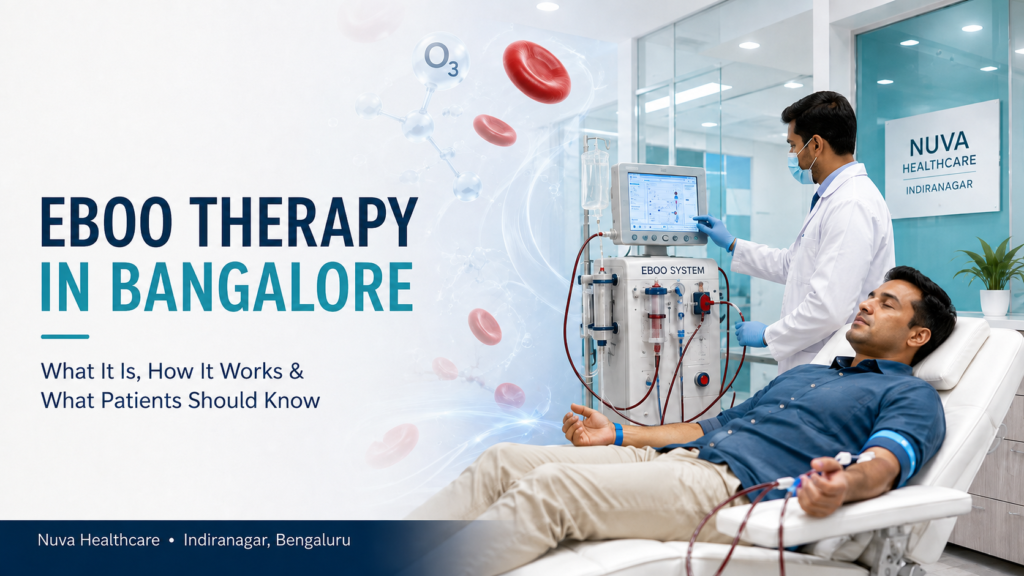
People searching for EBOO therapy in Bangalore are often looking for information about advanced extracorporeal and ozone-based wellness procedures. EBOO stands for Extracorporeal Blood Oxygenation and Ozonation.
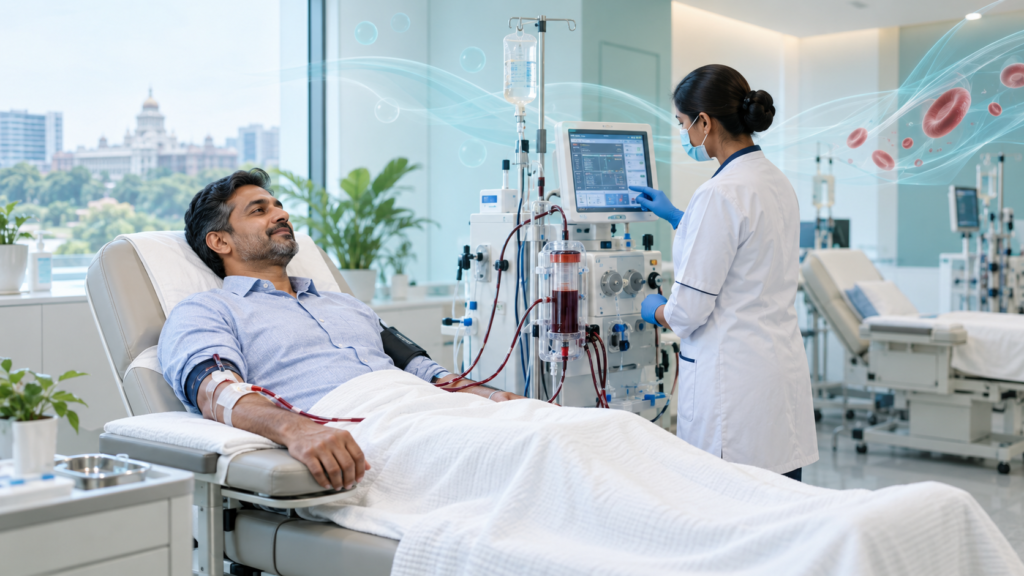
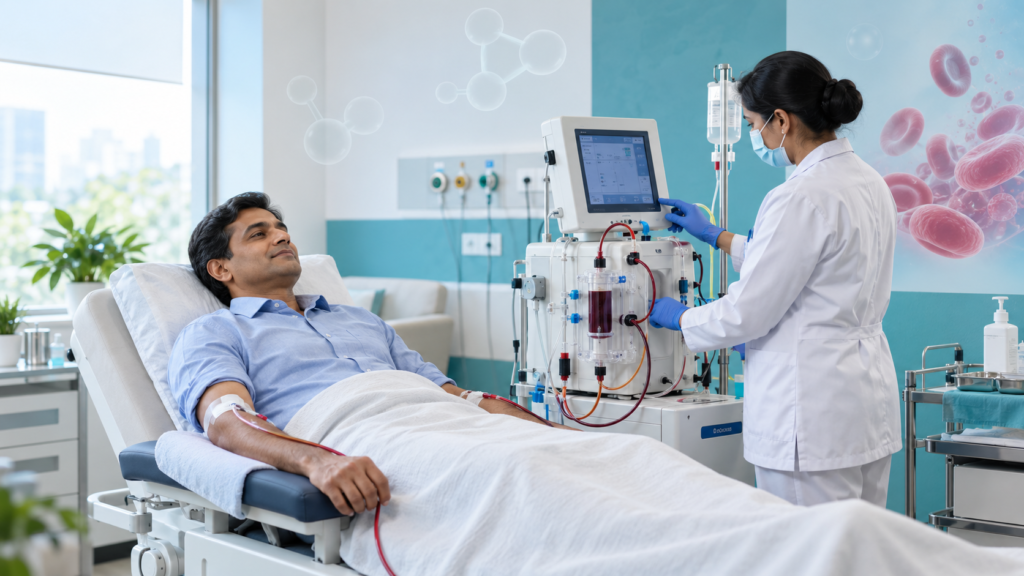
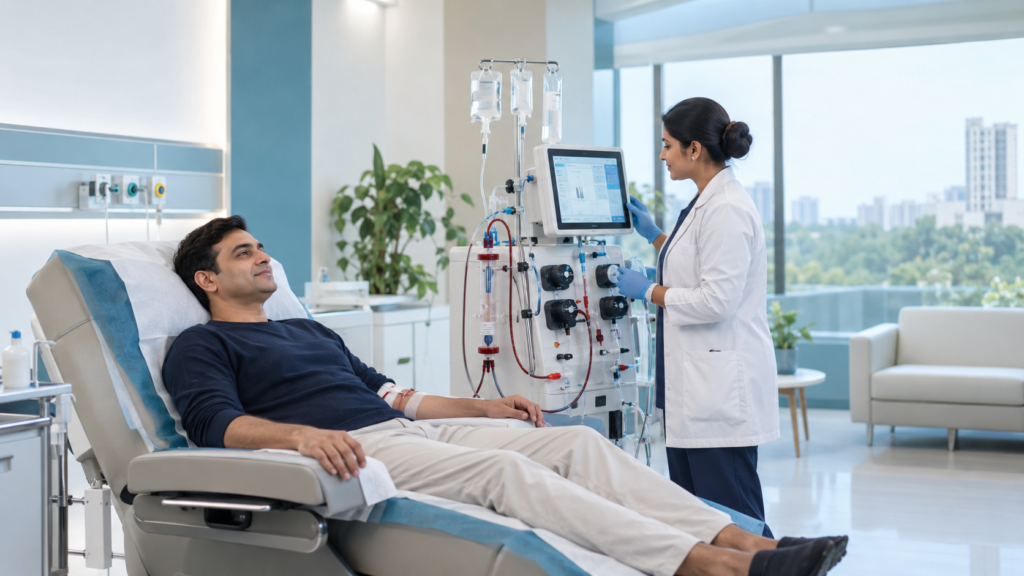
During an EBOO procedure, blood is temporarily circulated outside the body through a controlled medical system, exposed to an oxygen–ozone mixture and then returned to the patient. Depending on the device and medical protocol, additional filtration or processing may also be involved.
EBOO should not be described as a guaranteed way to “purify the blood”, “remove all toxins” or cure chronic diseases. Clinical evidence remains limited for many of the conditions for which EBOO is promoted, which is why professional medical evaluation and individual suitability assessment are important before treatment.
What Is EBOO Therapy?
EBOO stands for Extracorporeal Blood Oxygenation and Ozonation. The term “extracorporeal” means that blood temporarily circulates outside the body through medical tubing and specialised equipment before returning to the patient.
The procedure is different from a routine IV infusion because it involves an extracorporeal blood circuit. Blood is withdrawn through suitable vascular access, passes through a controlled system where oxygen–ozone exposure takes place, and is then returned to the body.
The exact equipment, ozone concentration, filtration process and treatment protocol may vary between medical systems. Patients considering EBOO treatment in Bangalore should therefore understand exactly which procedure and equipment are being recommended for them.
How Does EBOO Therapy Work?
Although individual systems and protocols can differ, an EBOO session generally follows a controlled extracorporeal process.
1. Vascular Access
Appropriate vascular access is established so that blood can enter and return from the extracorporeal treatment circuit.
2. Blood Circulation Through the System
Blood is circulated outside the body through specialised medical tubing and equipment.
3. Oxygen–Ozone Exposure
Within the controlled system, blood is exposed to a carefully regulated oxygen–ozone mixture according to the treatment protocol.
4. Filtration or Additional Processing
Some EBOO systems may include filtration or other components. The exact process depends on the device and protocol being used.
5. Blood Returns to the Patient
After passing through the extracorporeal circuit, the blood is returned to the patient’s circulation.
EBOO should not be presented as simply “removing toxins from blood”. Researchers studying ozone-based therapies are investigating possible effects involving oxidative signalling, antioxidant responses, inflammatory pathways and circulation, but stronger clinical evidence is still required for many proposed uses.
Why Do People Enquire About EBOO Therapy?
People may come across EBOO while researching advanced wellness therapies, ozone therapy or complementary approaches for long-term health concerns.
Some people enquire about EBOO in relation to:
- Circulation and vascular wellness
- Oxidative-stress-related health concerns
- Inflammatory conditions
- Long-term wellness support
- Fatigue and general wellbeing
- Ozone-based treatment options
- Complementary approaches for chronic conditions
However, the fact that EBOO is promoted or researched for a particular condition does not mean that it has been proven to treat or cure that condition. Medical evidence varies significantly depending on the disease, treatment method and research available.
Patients should therefore avoid making treatment decisions based only on social media advertisements, testimonials or claims of guaranteed results.
What Happens During an EBOO Session?
Initial Medical Consultation
A responsible EBOO treatment process should begin with medical evaluation. The healthcare team may review your symptoms, existing health conditions, medications and previous medical treatment.
You may be asked about:
- Current medical conditions
- Cardiovascular history
- Previous surgeries or procedures
- Blood-thinning medications
- Current prescription medicines
- Recent blood investigations
- Allergies
- Previous reactions to medical treatments
Suitability Assessment
EBOO is not necessarily suitable for everyone. Because it involves vascular access and extracorporeal circulation, individual medical suitability should be reviewed before proceeding.
Supervised Procedure
During the session, blood passes through the extracorporeal system under appropriate monitoring and supervision. The exact duration and treatment protocol depend on the equipment used and the individual treatment plan.
Monitoring During Treatment
Depending on the medical protocol, the patient’s general condition and vital signs may be monitored throughout the procedure.
Post-Treatment Observation
After the procedure is completed and vascular access is removed, the patient may be observed before leaving the clinic. Post-treatment instructions should also be provided where appropriate.
Potential Benefits of EBOO Being Studied
Research involving ozone-based therapies has explored several biological mechanisms. However, potential biological effects should not be confused with guaranteed clinical outcomes.
Circulatory Effects
Some research has explored whether ozone-based treatment may influence microcirculation and vascular function. The clinical significance of these effects can vary and requires further investigation.
Oxidative-Stress Signalling
Controlled ozone exposure creates oxidative signals that may stimulate antioxidant responses in the body. Researchers continue to study whether these responses result in clinically meaningful benefits for particular conditions.
Inflammatory Pathways
Ozone-based therapies have also been studied for possible effects on inflammatory and immune pathways. Evidence is not equally strong across all medical conditions.
General Wellness Support
Some individuals explore EBOO as part of a broader wellness programme. Even when used in a wellness context, EBOO remains an extracorporeal medical procedure and should be approached with appropriate medical supervision.
Individual experiences vary, and stronger high-quality research is still required before broad therapeutic claims can be made.
Risks and Safety Considerations
No extracorporeal medical procedure should be described as completely risk-free.
Potential considerations associated with EBOO may include:
- Bruising around the vascular access site
- Bleeding
- Local discomfort
- Infection
- Blood-pressure changes
- Vascular access complications
- Anticoagulation-related complications
- Equipment or tubing-related complications
- Individual reactions related to the procedure
The exact risk profile depends on the patient’s health, equipment, treatment technique and protocol being followed.
EBOO should therefore be carried out only in an appropriately equipped setting with trained professionals and suitable medical oversight.
Who Should Discuss EBOO Particularly Carefully?
People with significant underlying medical conditions should discuss EBOO carefully with a qualified healthcare professional before proceeding.
This may include individuals with:
- Bleeding or clotting disorders
- Severe anaemia
- Unstable cardiovascular disease
- Serious kidney or liver conditions
- Pregnancy
- Active infections
- Complex chronic illnesses
- Current anticoagulant or antiplatelet medication use
This is not a complete contraindication list. Suitability should always be determined according to the individual’s medical history, medications, investigations and overall health.
Patients should never stop prescribed medicines or delay established medical treatment simply to undergo EBOO therapy.
EBOO vs Standard Ozone Therapy
Ozone therapy is a broad term covering different methods of using a medical oxygen–ozone mixture.
EBOO therapy specifically involves circulating blood through an extracorporeal medical system before returning it to the patient.
Because EBOO uses an external blood circuit, it is technically more involved than many simpler ozone-based procedures.
Research involving one type of ozone therapy should not automatically be assumed to prove that EBOO produces the same results. Treatment methods, concentrations, equipment and protocols can differ significantly.
EBOO Therapy in Bangalore at Nuva Healthcare
If you are researching EBOO therapy in Bangalore or EBOO therapy in Indiranagar, the first step should be understanding the procedure and determining whether it may be appropriate for your individual health situation.
At Nuva Healthcare, Indiranagar, Bengaluru, the approach is consultation-led and focused on responsible patient evaluation.
The process may include:
- Professional medical evaluation
- Review of relevant medical history
- Individual suitability assessment
- Explanation of the EBOO procedure
- Discussion of potential benefits and limitations
- Discussion of possible risks
- Patient-specific treatment planning
- Professionally supervised care
Treatment recommendations should always depend on the individual patient’s medical condition rather than generalised claims or guarantees.
Frequently Asked Questions About EBOO Therapy
What is EBOO therapy?
EBOO stands for Extracorporeal Blood Oxygenation and Ozonation. Blood temporarily circulates through an external medical system where controlled exposure to an oxygen–ozone mixture takes place before the blood is returned to the patient.
Is EBOO the same as ozone therapy?
EBOO is a form of ozone-based therapy, but not all ozone therapies are EBOO. EBOO specifically involves an extracorporeal blood circuit.
Is EBOO therapy painful?
Some patients may experience discomfort related to vascular access or the procedure. Individual experiences vary, and the medical team should explain what to expect before treatment.
How long does an EBOO session take?
Session duration varies according to the equipment, treatment protocol and individual treatment plan. The healthcare provider should explain the expected duration before the procedure.
How many EBOO sessions are required?
There is no universal number of sessions appropriate for every patient. Treatment planning depends on the reason for treatment, medical assessment and protocol being used.
Is EBOO therapy safe?
EBOO should not be described as completely risk-free. Because it involves vascular access and extracorporeal circulation, appropriate equipment, patient selection, sterile technique and professional supervision are important.
Can EBOO cure chronic diseases?
Current evidence is not strong enough to claim that EBOO cures chronic diseases. Patients should be cautious of advertisements offering guaranteed disease reversal, detoxification or permanent cures.
Who may be suitable for EBOO therapy?
Suitability should be assessed individually after reviewing medical history, medications, laboratory investigations, previous treatment and overall health.
What should I bring for an EBOO consultation?
Bring relevant medical records, recent laboratory reports, current medication details and information about previous medical conditions or procedures.
Where can I enquire about EBOO therapy in Bangalore?
You can contact Nuva Healthcare in Indiranagar, Bengaluru, to enquire about medical evaluation, EBOO procedure information, appointment availability and estimated cost.
Book an EBOO Therapy Consultation in Bangalore
Interested in Learning Whether EBOO Therapy May Be Appropriate for You?
Speak with the Nuva Healthcare team to understand the procedure, medical evaluation, suitability, appointment availability and estimated cost.
Nuva Healthcare
Indiranagar, Bengaluru
Call: +91 98864 82146